Why Electronics Recycling Can Serve Business Operations Achieve Sustainability: Sustainable Methods for Corporate Organizations
Electronics recycling provides a essential alternative for enterprises working to boost their sustainability efforts. By tackling e-waste properly, firms can minimize their ecological consequences and extract important assets. In addition, adopting these methods can strengthen corporate reputation with green-focused buyers. Yet, numerous companies might overlook the difficulties found within rolling out a productive recycling framework. Understanding these considerations is important for charting the direction toward more eco-friendly operations and obtaining enduring gains.
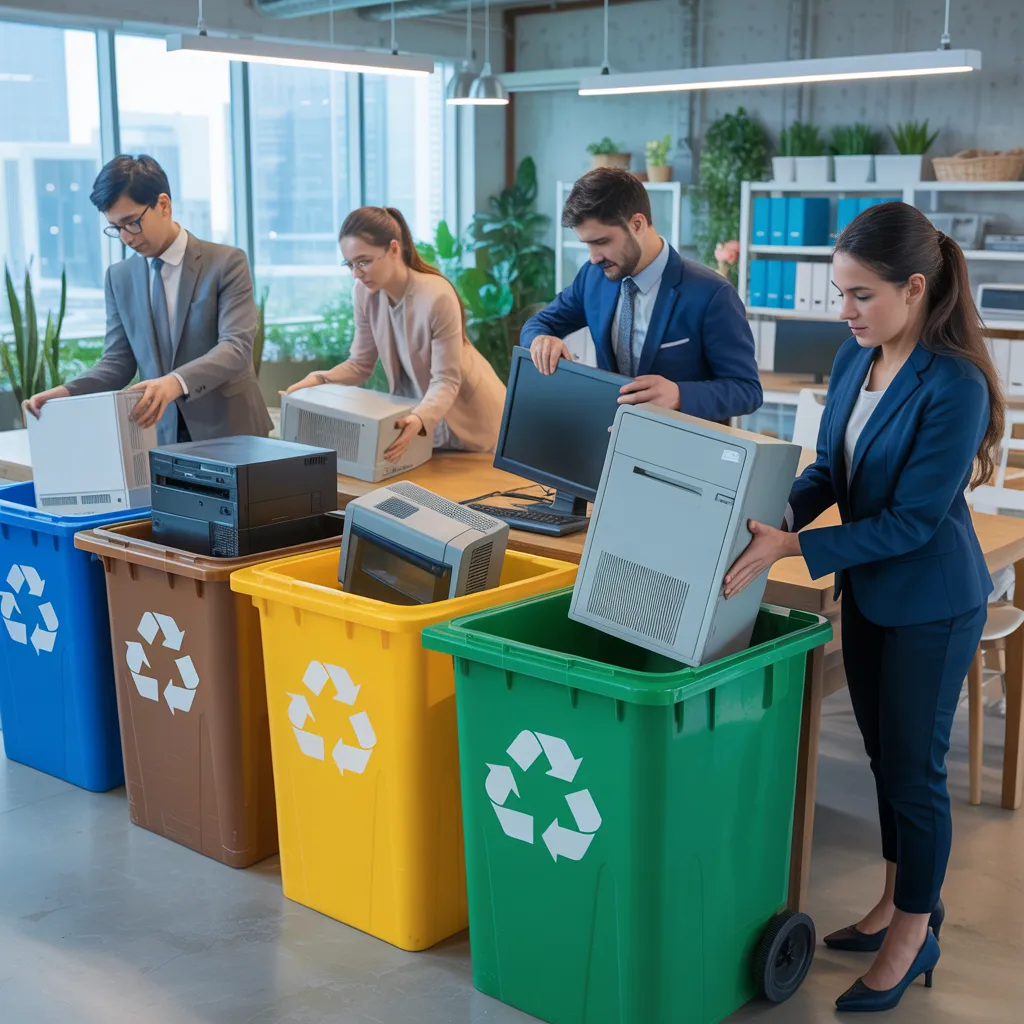
Why Electronics Recycling Is Important for Enterprises
Although many enterprises may dismiss the value of electronics reclamation, it plays an integral role in promoting sustainability and minimizing environmental impact. As technological advancements speed up, companies frequently replace their electronic devices, resulting in a growing volume of e-waste. Proper recycling ensures that valuable materials are reclaimed, reducing the need for new resource extraction and preserving energy.
Moreover, taking part in electronics recycling can improve a company's image. Consumers more and more prefer businesses dedicated to sustainable practices, and showing responsibility in managing e-waste can draw environmentally conscious customers. Compliance with regulations regarding electronic waste also shields businesses from potential legal liabilities and fines.
Furthermore, reusing can result in financial benefits. By responsibly disposing of old electronics, companies can minimize waste disposal fees and extract financial value from recyclable materials. Overall, adopting electronics recycling is not merely an ethical choice; it is a tactical business decision that supports modern sustainability goals.
Electronics Reprocessing Decreases Ecological Impact
Electronics recycling plays a crucial role in lowering environmental consequences by safeguarding natural resources and reducing e-waste contamination. By recovering precious materials, this process supports the promotion of circular economy concepts. As businesses participate in responsible recycling, they add to a more eco-friendly future.
Conserving Natural Resources
Recycling electronics significantly aids the preservation of natural resources by reclaiming precious materials. Many electronic devices contain valuable metals such as gold, silver, and palladium, which can be extracted and reused. This process reduces the need for mining, a resource-intensive activity that drains ecosystems and consumes considerable energy. Additionally, recycling helps retrieve rare earth elements crucial to manufacturing new technologies. By diverting electronic waste from landfills, businesses not only diminish the environmental impact of resource extraction but also promote a circular economy. This sustainable practice allows companies to reduce their carbon footprint, lower production costs, and support environmental stewardship, ultimately fostering a healthier planet for future generations. Through responsible recycling, businesses can lead the way in protecting crucial natural resources.
Minimizing E-Waste Environmental Impact
A important part of international waste includes electronic devices, contributing to worsening environmental pollution. E-waste that is disposed of improperly lets loose harmful substances including heavy metals and toxins, damaging soil and water sources. By recycling electronics, these risks are reduced as harmful components are dealt with in a safe and responsible manner. By reusing materials such as metals, plastics, and glass, recycling cuts the need for new resource extraction, leading to reduced environmental impact. Moreover, recycling initiatives promote the proper disposal of old devices, aiding businesses in following environmental laws. Engaging in electronics recycling allows companies to both cut their carbon footprint and promote a healthier ecosystem. This forward-thinking method illustrates corporate responsibility while effectively dealing with the urgent problem of e-waste pollution.
Encouraging Circular Economy Techniques
Launching extensive electronics recycling initiatives acts as an indispensable pillar in fostering sustainable business practices. Through processing electronic waste, businesses can substantially diminish the demand for source materials, thereby preserving natural assets and mitigating ecological degradation. Such activity supports the salvage of valuable materials, prolonging the working life of commodities and reducing the proportion of electronic waste routed to landfills. Similarly, by taking on circular business models, entities can fortify their brand reputation and meet consumer demand for sustainable practices. Championing responsible waste management also encourages breakthrough innovations in product development, driving suppliers to create devices that are more convenient to dismantle and process. Fundamentally, weaving electronics recycling into institutional operations supports a more sustainable future, positively impacting both the natural world and the economy.
Primary Gains of Electronics Reuse for Enterprises
Electronics recycling offers significant benefits for companies, mainly through cost savings and environmental impact reduction. By correctly disposing of outdated equipment, companies can minimize disposal costs and retrieve valuable materials. Furthermore, embracing recycling practices improves business ethics and encourages eco-friendly initiatives.
Cost Savings Possibilities
Plenty of businesses are uncovering remarkable cost savings through effective e-waste recycling practices. By establishing these initiatives, companies can minimize fees associated with e-waste, since recycling often costs less than landfill disposal. In addition, important materials recovered from old electronics can be marketed, creating revenue and reducing replacement costs. Efficient recycling systems also minimize storage costs for outdated equipment, unlocking valuable office space. Also, many organizations benefit from tax incentives connected to environmentally friendly practices, introducing another layer of financial advantage. Overall, embracing electronics recycling not only demonstrates corporate responsibility but also supports economic efficiency, helping businesses to allocate resources more intelligently and boost their bottom line.
Environmental Impact Decrease
A considerable decrease in environmental effects is one of the fundamental advantages enterprises enjoy when they initiate systematic device recycling programs. By recovering useful equipment, institutions can suppress dangerous contaminants, such as toxic elements and harmful substances, that can infiltrate soil and water bodies. This not only plays a role in protecting environmental resources but also reduces the emissions footprint resulting from constructing new devices. Additionally, managing decreases energy demands, as it often requires reduced operational energy to refine recovered substances than to obtain and refine raw material supplies. As bodies roll out such methods, they build sustainable economic systems, promoting ecological conservation and responsibility. Ultimately, responsible waste management enables businesses to bolster green reputation while supporting the natural world.
How to Design a High-Performing Electronics Recovery Method
Forming a successful tech waste recycling strategy calls for careful planning and carrying out. Businesses should begin by reviewing their current e-waste management practices to identify segments for improvement. This evaluation should feature an inventory of outmoded units and an appraisal of disposal methods.
Next, organizations must set clear goals for their recycling efforts, which could include reducing waste, improving recycling percentages, or enhancing sustainability efforts. Involving staff through educational workshops fosters a commitment to ecological stewardship and encourages participation in recycling initiatives.
Additionally, developing a timeline and budget is vital for tracking progress and guaranteeing resources are allocated effectively. Regularly reviewing and updating the plan based on feedback and evolving regulations helps maintain compliance and effectiveness. By integrating these elements, companies can create a strong electronics recycling program that not only benefits the environment but also supports corporate accountability and improves their green image.
Methods to Find the Appropriate Electronics Recovery Ally
How can a business ensure its e-waste recycling vendor aligns with its environmental objectives? Selecting the appropriate recycling partner demands thorough evaluation of their operations and credentials. Companies should seek vendors who possess established certifications, such as R2 or e-Stewards, which verify adherence with sustainability standards.
Additionally, enterprises should ask about the partner recycling techniques, including the procedures for addressing hazardous materials and the percentage of materials recycled versus those placed in landfills. Transparency in reporting and data management practices is also vital.
In addition, a solid reputation in the industry can be indicative of reliability; businesses may benefit from customer feedback and recommendations from other clients. Engaging in open communication about sustainability goals will help guarantee alignment. Ultimately, selecting a partner dedicated to ethical recycling practices can significantly improve a corporation's overall green initiatives.
Debunking Popular Misconceptions About Electronics Recycling
While many companies appreciate the importance of electronics recycling, numerous myths persist that can impede efficient practices. One common misconception is that all electronics can be thrown away in regular recycling bins. In fact, particular facilities must be used to treat electronic waste safely. Another myth claims that recycling electronics is too high-priced for businesses. However, a variety of recycling programs provide free or low-cost services that can ultimately save companies money by reducing waste disposal fees. Moreover, some consider that data security concerns make recycling too risky. Still, reputable recycling partners deliver certified data destruction services, confirming sensitive information is properly handled. Finally, there is a notion that recycling electronics has a small environmental impact. In truth, proper recycling substantially reduces e-waste in landfills and saves valuable resources. Debunking these myths is important for businesses trying to follow sustainable practices and benefit the environment.
Measuring Your Electronics Recycling Success
Firms that successfully refute misconceptions about electronics recycling often find themselves keen to measure their progress. Monitoring key performance indicators is essential for examining the performance of recycling schemes. Measurements such as read the facts the volume of e-waste recycled, the percentage of materials recovered, and monetary savings can furnish valuable intelligence.
Furthermore, enterprises should evaluate their carbon footprint reduction and compliance to sustainability requirements. Engaging staff through educational campaigns can also be tracked by engagement levels in recycling programs.
Considering customer feedback can better develop understanding of the recycling program's impact. Ongoing assessments and communication on these metrics not only highlight successes but also reveal zones needing development.
In the final analysis, a structured approach to gauging electronics recycling success allows businesses to make fact-based decisions, building a culture of sustainability that supports both the environment and the organization.
Popular Inquiries Asked Often
What Types of Electronics Can Be Reused?
Many kinds of electronic devices can be recycled, including computers, smartphones, tablets, televisions, printers, and gaming consoles. These items often contain valuable materials that can be recovered, reducing waste and advancing environmental sustainability.
How Regularly Should Businesses Recycle Their Electronics?
Organizations should reprocess their electronic equipment no less than once annually, or more frequently guided by infrastructure improvements and equipment turnover. Regular recycling secures efficient resource management and compliance with environmental regulations, promoting sustainability in your organization.
What Costs Are Involved With Electronics Recycling?
Yes, there are costs associated with electronics recycling, such as gathering, transportation, and processing fees. However, these expenses can be balanced by possible reductions from reduced waste disposal and adherence to environmental standards.
Can Recycling Electronics Generate Data Security Risks?
Yes, electronic recycling can create security vulnerabilities if correct protocols are not adhered to. Sensitive information may be accidentally revealed during the disposal procedure, highlighting the importance of secure data destruction methods before removal.
What Certifications Should Your Recycling Partner Possess?
A trustworthy environmental partner should have licenses such as R2, e-Stewards, and ISO 14001. These certifications guarantee conformity with environmental standards, cybersecurity practices, and sustainable waste management, preserving both the environment and sensitive information.